 Carsey-Wolf Center at UC Santa Barbara
CWC Global: Scenes of Extraction
- Thursday, March 5, 2026 / 7:00 PM - 8:45 PM (PST)
- Pollock Theater
- Screening Format: 4K digital projection (43 minutes)
- With Sanaz Sohrabi (filmmaker)
Scenes of Extraction (2023) creates an archival constellation using the still and moving images of British Petroleum, documenting the expansive colonial network behind the British energy complex that spanned across Iran, but also reached other British oil operations in South East Asia. The film weaves through decades of archival documents to parse out the visual history of the “reflection seismography” method for oil exploration, which was heavily tested across the Iranian oil belt despite its destructive nature. This technical legacy is still heavily utilized in fracking and deep-sea mining enterprises globally and forms the backbone of the global energy complex. By reading the political economy of images in relation to the extraction of crude oil, Scenes of Extraction evokes the intertwined histories of imperial and colonial extractive industries, photography, and archival practice.
Filmmaker Sanaz Sohrabi joined moderator Mona Damluji (Film and Media Studies, UCSB) for a post-screening discussion of Scenes of Extraction.
Biographies
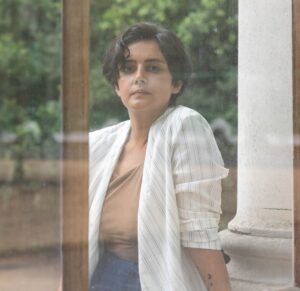
Sanaz Sohrabi (filmmaker)
Sanaz Sohrabi is an artist, researcher of visual culture, and an Assistant Professor in the department of Communication and Media Studies at Concordia University, Montréal. Sohrabi works with essay film and installation as her means of research to explore the relationship between the political economy of photography, archival technologies, and visual history of resource extraction and postcolonial sovereignty in Iran. Her current project is conceived as a trilogy of essay films, consisting of One Image, Two Acts (2020), Scenes of Extraction (2023), and An Incomplete Calendar (projected for release in 2026-2027). Sohrabi’s works have been shown widely in museums and festivals, including Berlinale Forum Expanded; International Film Festival Rotterdam; IndieLisboa; Valdivia International Film Festival Chile; Sheffield Doc/Fest; DocLisboa; Block Museum Chicago; Videonale Bonn; Momenta Biennial 2025; Ljubljana Biennial 2023; 2024 Asian Art Biennial; SAVVY Contemporary, Berlin; and VOX Centre de l’image contemporaine, Montréal.
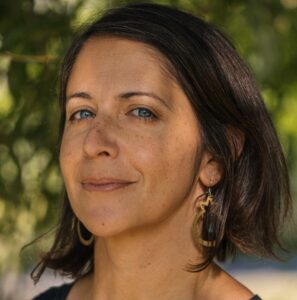
Moderator Mona Damluji (Film and Media Studies, UCSB)
Mona Damluji is Assistant Professor of Film & Media Studies at UC Santa Barbara. Mona’s teaching, research and creative work engages underrepresented media histories and cultural studies of energy, cities, and infrastructure centered in the Middle East and its diasporas. Her research and writing has been supported by the National Endowment for the Humanities, the Mellon Foundation, the Social Science Research Council, and the Arab Council for the Social Sciences. Her book Pipeline Cinema: The Cultural Infrastructure of Oil Extraction in Iran and Iraq (2026) is a history of how multinational petroleum companies have shaped local cultural norms and global popular imaginaries of oil in Iran and Iraq through film use and cultural sponsorship in the twentieth century.
This event is sponsored by the Carsey-Wolf Center.
CWC Global
Media are global by nature; they express culture just as much as they transcend borders. The CWC Global series is dedicated to showcasing media from around the world. This series features screenings and events that place UCSB in conversation with international media makers and global contexts across our deeply connected world.
CWC Docs
The Carsey-Wolf Center is committed to screening documentaries from across the world that engage with contemporary and historical issues, especially regarding social justice and environmental concerns. Documentaries allow filmmakers to address pressing issues and frame the critical debates of our time.